Our Work
Where We Plant and What We Track
From schoolyards to sidewalk edges, Yaupon's projects create measurable change through community-led planting and long-term observation.
How the Work Takes Root
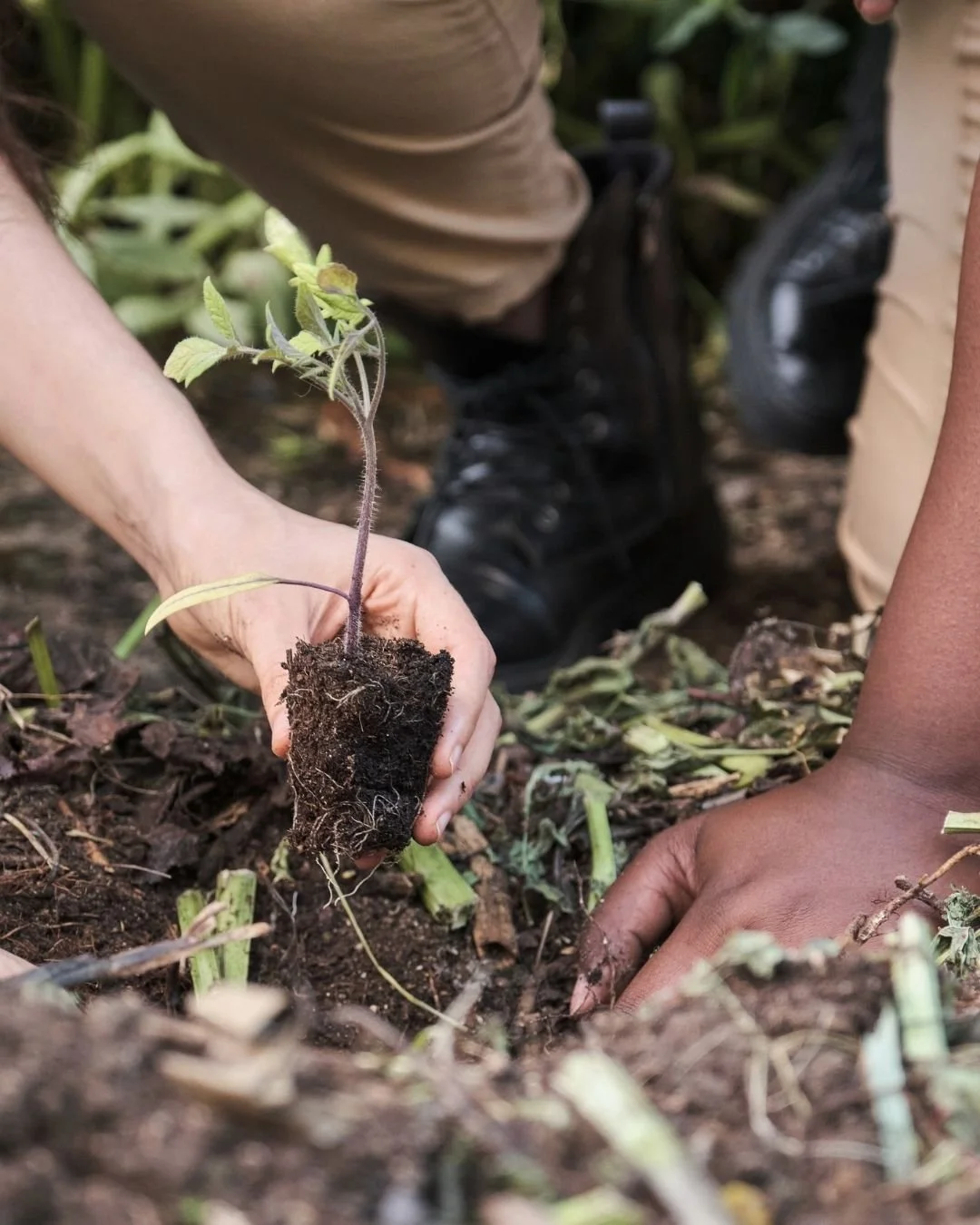
Yaupon's work takes three main forms, but the principles stay the same. Each project adapts to the place, the people, and the local climate.
-
Urban Wilds
Community and Resilience
Restoring overlooked urban land with layered native plantings that absorb water, cool neighborhoods, and support wildlife.
Current sites:
- Mid-City New Orleans
- (Additional Urban Wilds in development)In practice:
In New Orleans, work along the Lafitte Greenway shows how small but visible sites can reduce flooding and heat while restoring habitat in everyday public spaces. -
Wild Schoolyards
Education & Stewardship
Bringing ecological restoration into schools through hands-on planting, observation, and learning.
Current sites:
- Upstate New York
- New York City (in development)
In Practice:
Students plant and return to the same site over time, observing what changes and tracking what returns. They connect restoration to reading, writing, and science through observation journals and field notes.
-
Sidewalk Strips
Biodiversity & Climate
We transform narrow, often ignored planting zones along streets and walkways into spaces where native plants can thrive.
Status:
- Pilot site planted in New Orleans
In practice:
Pavement edges are replaced with layered native plantings that manage stormwater and reduce surface temperatures along the places people walk every day.
Small Actions, Measurable Change.
Small native plantings create real change. Even without massive acreage, these sites reduce flooding and cool overheated surfaces while bringing wildlife back.
*Yaupon will track and share site-specific outcomes as projects mature.
-
50k–100k gallons of stormwater absorbed each year
Acting like a wetland, not a parking lot.
-
10–15°F cooler surface temperatures
Native plants and shade cool the ground naturally—not pavement that traps heat.
-
Habitat return for birds, butterflies, and pollinators
Creating safe spaces for the wildlife that fuel healthy ecosystems.
-
Healthier soil and long-term biodiversity
As sites mature, soil structure improves and supports more diverse plant and insect life.
-
50–150 students engaged per Wild Schoolyard site
Students plant, observe what returns, and learn through real-world stewardship over multiple seasons.
-
Community involvement is built into every project
From planting days to ongoing care, community members stay connected to each site long after installation.
Seeing the Work in Action
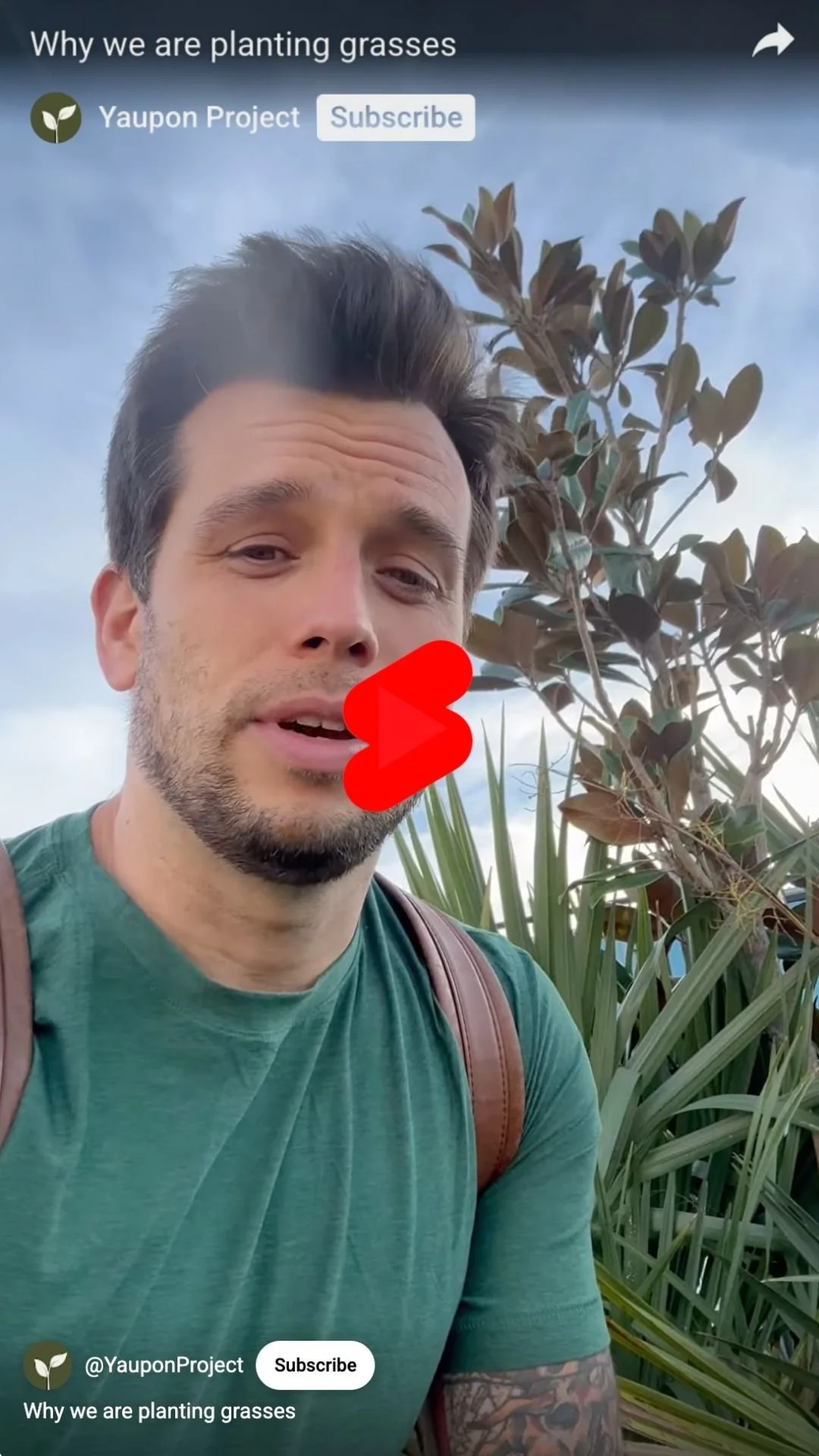
Field notes and site visits show how this work takes shape on the ground, across different climates and communities.
Designed to Grow Thoughtfully
Yaupon Project is intentionally small and site-specific. Each project informs the next, allowing the work to expand carefully without losing its ecological or educational integrity.
Interested in supporting a project or exploring a partnership?