
About the Yaupon Project
Restoring nature where we live and learn.
Across many cities, schoolyards and sidewalks have been paved over or left bare. The consequences are real: streets get hotter, rain floods basements and streets, and kids lose chances to connect with the outdoors.
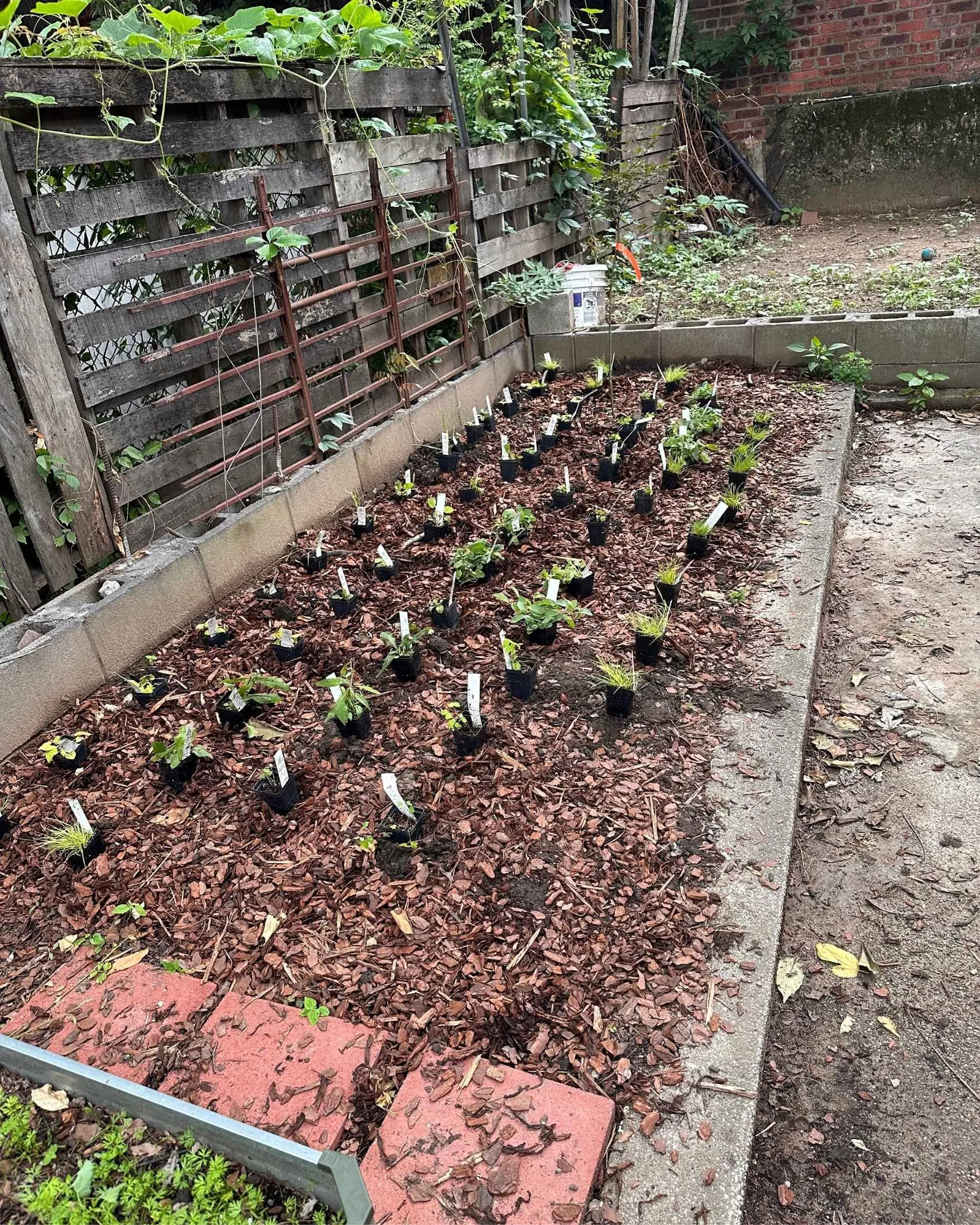
Yaupon exists to reverse that pattern. We restore native ecosystems in the places people already live—creating small, local sites where communities can witness measurable change.
Our projects bring life back to damaged spaces: shade returns, soil improves, and wildlife finds habitat. Just as importantly, they invite people to slow down, observe what happens, and feel the pride of knowing: I helped build something that will last.
What Makes Yaupon Different
Yaupon approaches restoration as both ecological and educational work—designed to last and to be cared for over time.
-

Restoring How Land Functions
Yaupon plants native communities that absorb stormwater, cool overheated surfaces, and bring back birds and pollinators. Trees, shrubs, grasses, and wildflowers work as a system—not just decoration.
-

Learning Is Built In
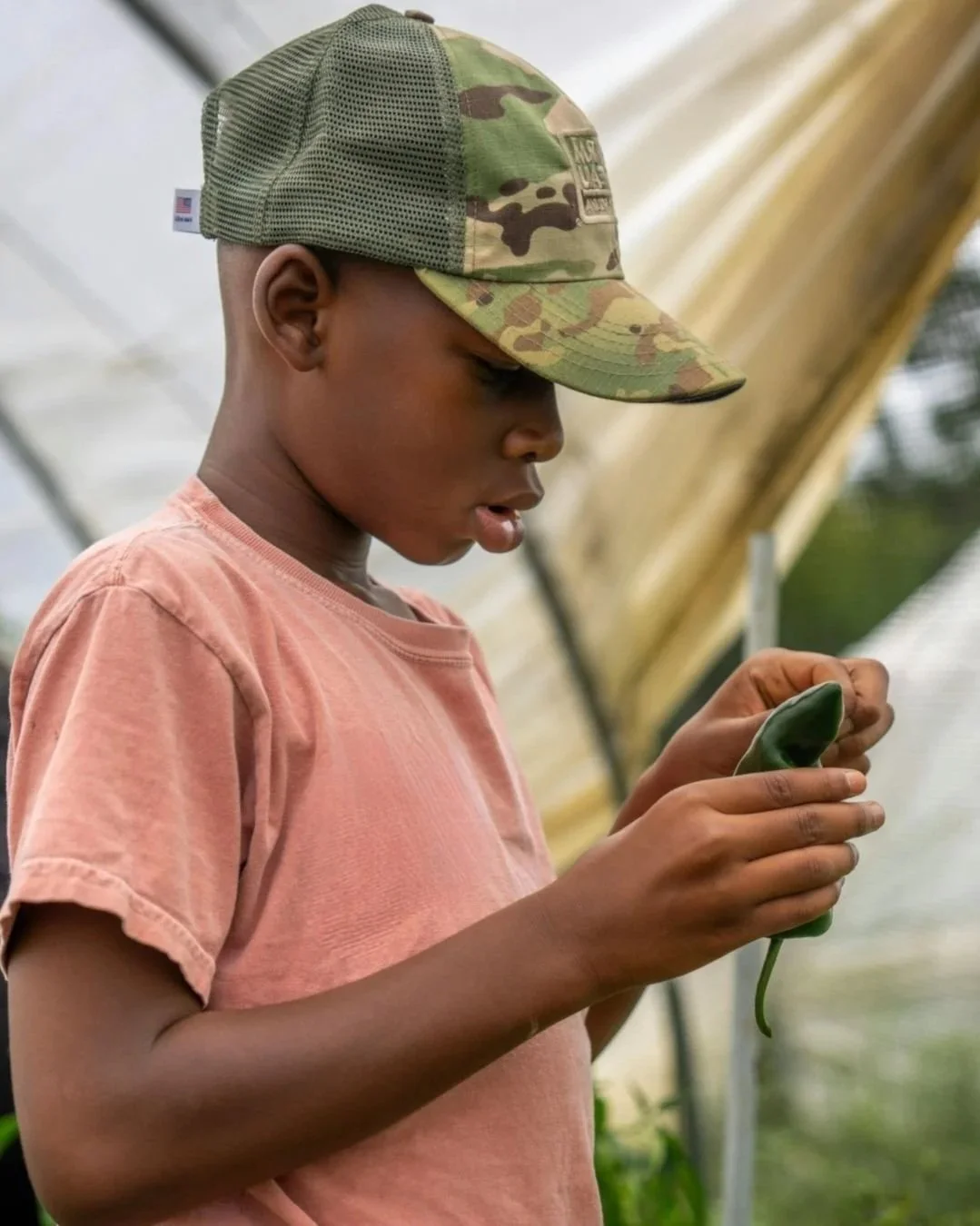
Planting is the starting point. Students and community members observe what returns, ask questions, and track change over time. This connects restoration to real learning: curiosity, reflection, and writing about what they see.
-

Shared Ownership
Each project is created with the people who live and learn there. Care plans are built into every site so communities stay connected and responsible for what comes next.
Meet Gerrit
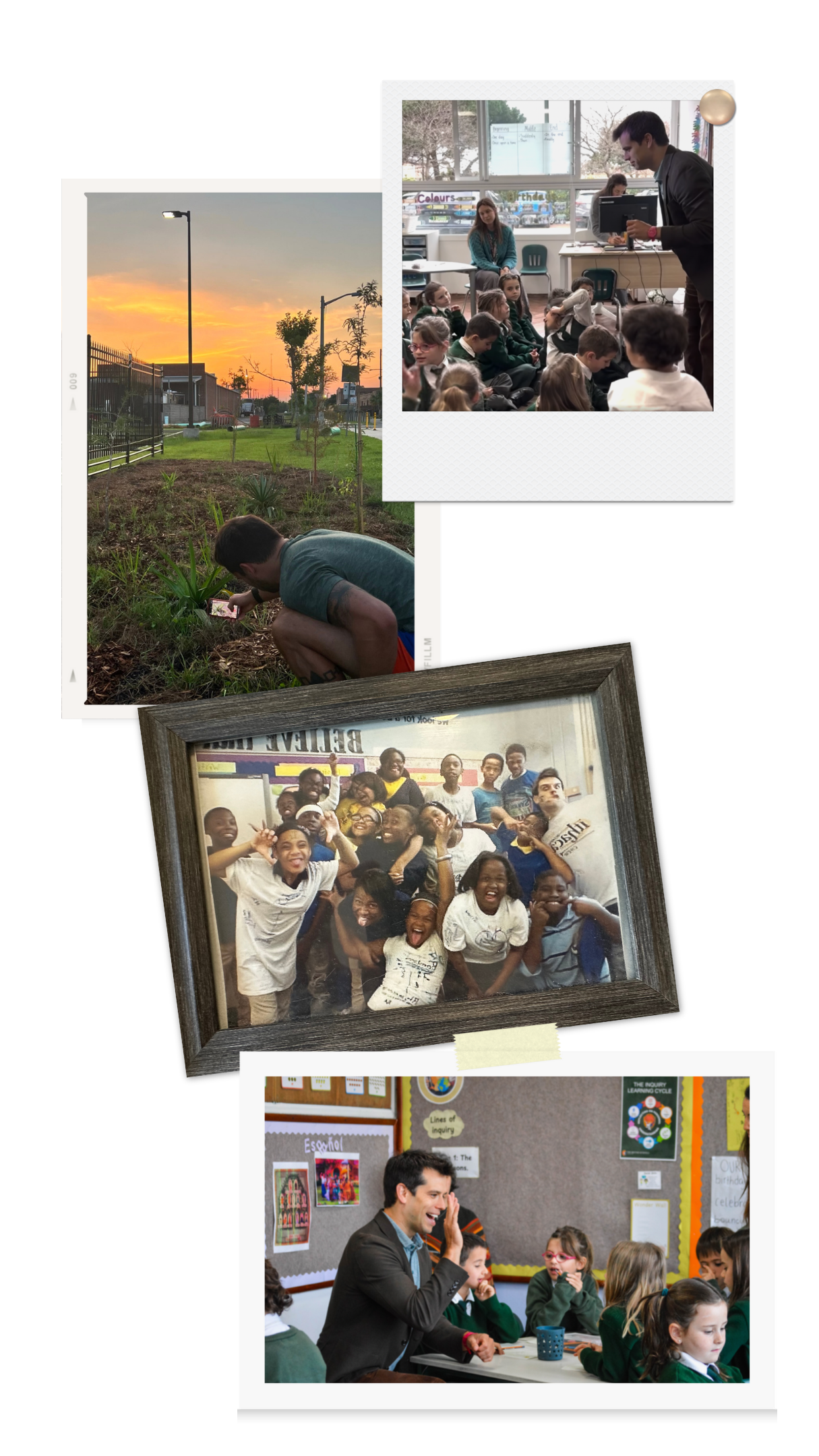
The Yaupon Project is led by Gerrit Jones-Rooy, an educator who has spent his career helping students pay attention and make sense of the world around them.
During the pandemic, that personal connection turned practical. Watching his neighborhood flood after heavy rain, Gerrit began researching native plants that could absorb stormwater and improve soil health. He started planting—first in his own space, then along his block. Neighbors joined in, and birds, bees, and butterflies returned to places that had once been mostly pavement.
As a writing teacher, Gerrit spent years helping students engage with their surroundings and make sense of what they were experiencing — often by shifting learning out of the classroom and into the world around them. Over time, he saw how this kind of engagement helped students focus and participate more fully.
So when native planting began to spark similar curiosity — kids watching what returned, asking questions, staying engaged over time — it became clear that restoration works like literacy: both work best when people notice, make meaning, and take responsibility for what they've helped shape.
Where We're Planting Now
Yaupon's work is already underway — from a community-led planting site in New Orleans to schoolyards in New York, with new street-level projects beginning to take shape.
These are living sites, not demonstrations. They change with the seasons, the weather, and the people who care for them. Flooding patterns shift. Heat eases. Wildlife returns. Students and neighbors notice.
This is the pace the work requires — slow enough to learn from, steady enough to grow.
Our Mission & Vision
Mission
To restore native ecosystems in cities and reconnect kids and communities with nature through hands-on learning and shared care.
Vision
A future where every neighborhood and school is part of the web of life. Wild, resilient green spaces that protect communities from flooding and extreme heat, bring wildlife back, and inspire care for the living world for generations to come.
The Yaupon Project is just getting started, and this work grows through shared care.
If you’d like to support a project, explore a partnership, or stay connected, we’d love to hear from you.